
Advances in 3D Graphics and Design Technology
The way that digital content is created has been significantly impacted by new advances in 3D graphics and design technologies making it one of the standard tools used for modern digital communication across different sectors ranging from web site development, to online gaming, advertising, and interactive entertainment.
In the past, 3D graphics were expensive; only big film production companies and technical industries could afford them. Recent advances in computing power and software have now made this technology more easily accessible to smaller businesses such as e-commerce, Indie game designers, and budget films.
Design has dramatically changed, the use of emerging technologies such as VR (virtual reality), AR (Augmented Reality), and computer aided designs (CAD) are used for data driven workflows that are sustainable, have complex customisation, are fast, and blended with 3D provide graphics and animations that are deeply immersive, dynamic, and engaging.
3D Modeling/Rendering Techniques Used in Modern Digital Design
3D modeling and 3D rendering breathe life into virtual creations:
3D modeling is a form of computer graphics that is used to create three dimensional forms such as characters, environments, and objects through the use of specialized software that create virtual models that have shape, depth, and volume. 3D modeling can be very simple or highly sophisticated depending on how complex the final product needs to be and it is used for architecture, product prototyping, film production, video game development, as well as in other sectors.
3D rendering transforms a 3D model into either one or sequential 2D images through rendering techniques that use specialised software and is used to bring 3D scenes or objects to life through the use of visual effects such as shadows, textures, and lighting which creates a 3D model that is realistic. Rendering is used to influence how the light interacts with objects set in a scene. This type of imagery is used across different industries such as films, product design, and video games.
The difference between 3D modeling and 3D rendering is that 3D modeling is their output. 3D modeling is the first step and creates three dimensional scenes or objects where geometry is constructed to create spaces and shapes and determine where they will be placed within the 3D space.
3D rendering then transforms the 3D models into realistic images by adding visual effects to create representations that appear to be lifelike. These two technologies work in tandem, 3D modeling creates the base content that 3D rendering transforms into spectacular lifelike visuals that appear to be real.
Applications in Gaming: Character Design, Environments, Real-Time Animation
The gaming industry uses many practical applications for modern 3D designs especially when creating virtual environments that are used for online gaming platforms including a well-known online casino who use 3D technology and design to simulate virtual spaces offer gamers the same sensation as if they were sitting at a real physical gaming table by by effectively integrating immersive gaming interfaces into their designs.
3D character design now plays a vital role in digital content creation and is used by influencers, film studios, game development, and animated advertisements. Real time animations include avatars, digital humans, and other characters that are very realistic that are set within environments that feel truly authentic.
3D character design creates digital characters in three dimensional settings through natural animation that enable them to be observed from different angles in different types of interactive environments.
Not all 3D characters are created equal; their designs will vary depending on which setting they will be used in:
Realistic characters mimic the human anatomy with natural movement, skin, and facial details and are most commonly used in high end games, cinematic trailers, and films that use digital humans and game protagonists that appear to be real entities.
Stylistic characters feature artistic appeal and personality with vibrant colours, simple details, and extreme proportions that are not realistic.They are often used for social media animations, video games, and animated series.
Sci-Fi and Fantasy characters have complex visual designs and are often part of worldbuilding environments in the form of monsters, robots, aliens, or other types of futuristic beings and are often used in science fiction films and RPG games
How 3D Visual Technology Enhances User Immersion
3D visual technology is an effective tool that enhances user immersion that has transformed passive viewing into dynamic multisensory participatory experiences where the user feels that they are actually inside environments rather than being an observer. There are several different ways that immersive 3D visual technologies are used to create realistic environments for users by using different design elements to create a sense of presence.
3D visual technology uses lighting to toe simulate the the effects that are provided by real light and use it to create an illusion of dimension, depth, and also provides digital environments with realism by using artificial light sources and adjusting colour, shadows, and direction to establish a mood through storytelling that enhances narrative and depth of immersion by seamlessly blending different lighting sequences that correspond to different events that take place.
Textures are created through visual effects that give depth to virtual environments through the use of different elements such as fog, different objects such as realistic shading of water or other natural elements, or characters where motion and size of the environment is naturally communicated through the use of advanced cameras.
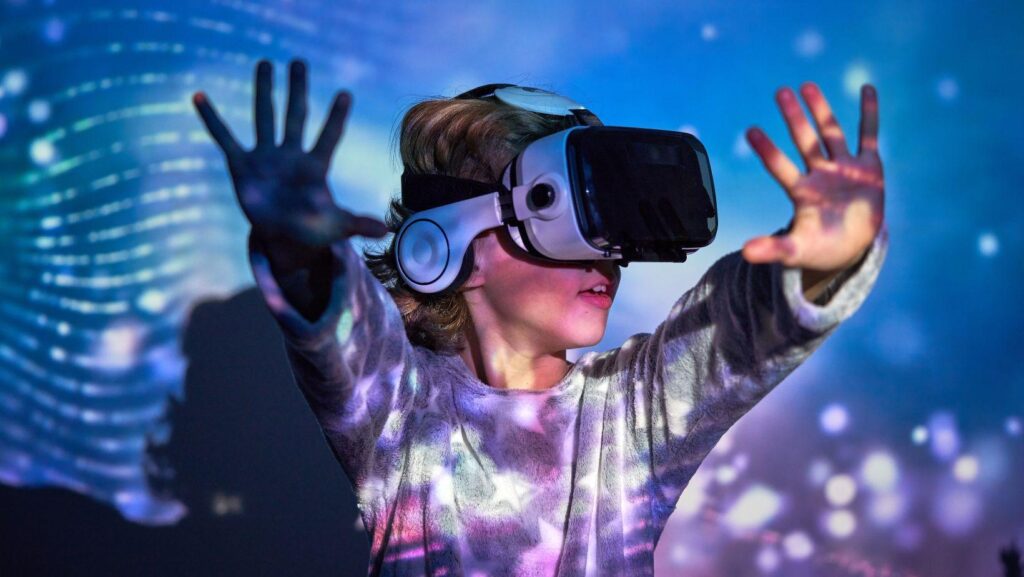
VR (virtual reality) elements block out the physical world once a user has put on a headset and is one of the most recognisable forms of immersive visual technology where users can interact with objects and enjoy experiences that are not possible in the physical universe. VR technology is now more easily accessible to a wider number of users and it is used across many different sectors that range from gaming to education, and virtual simulations such as taking a test drive in a car.
Examples of Interactive and Live-Style Entertainment Platforms Adopting 3D Design Principles
3D design and rendering is being used far beyond film making and video games. It now plays an important role in the creation of educational simulations, virtual museum tours, and live digital experiences. 3D rendering in real time is used to create interactive experiences that simulate their physical counterparts by creating environments that respond and adapt to the actions of the user.These advances in 3D design show how they can enhance the user experience and provide seamless digital interactions across different types of entertainment.
Conclusion
As 3D technology continues to evolve, it is transforming digital entertainment from passive viewing to dynamic interactive experiences that feel truly authentic, engaging, and immersive. This trend will continue into the future as developers continue to innovate with advanced design technology to create virtual environments that will be even more complex and sophisticated and the lines between the virtual and physical universe will become increasingly blurred. These experiences are delivered to customers using cloud infrastructure which provides instant access cross devices removing the cost of expensive hardware and slow downloads.